
Learning about agriculture secretary Brooke Rollins might seem a bit tricky at first, but it doesn’t have to be hard. Many people wonder who she is and what her role means for farmers and our food. This guide makes it easy.
We will break down everything you need to know about agriculture secretary Brooke Rollins step by step. Get ready to understand her important job with simple explanations.
Key Takeaways
- You will learn who agriculture secretary Brooke Rollins is.
- Discover her main responsibilities and goals.
- Understand how her work affects farming.
- See examples of her impact.
- Get clear answers to common questions.
Who Is Agriculture Secretary Brooke Rollins
Agriculture Secretary Brooke Rollins is a key figure in managing and supporting the nation’s farming industry. Her position involves making important decisions that shape how we grow food and manage our land. She works to help farmers, promote healthy food, and protect our natural resources.
Understanding her role helps us see how food gets from the farm to our tables.
Background and Early Career
Brooke Rollins started her career with a strong interest in rural communities and farming. Early in her professional life, she gained valuable experience working with different agricultural groups. This experience helped her learn the challenges and opportunities faced by people in agriculture.
Her path often involved public service and policy development. These early roles were foundational, teaching her about the regulations and support systems that affect farming operations. She learned about crop insurance, conservation programs, and trade policies that impact farmers daily.
This hands-on experience provided her with a deep understanding of the agricultural landscape. It shaped her perspective on what farmers need to thrive and contribute to the economy. Her dedication to these areas became clear as she advanced in her career.
Early Influences
Growing up in a region with a strong agricultural presence often shapes an individual’s connection to the land. For Rollins, this exposure likely provided an early appreciation for the hard work involved in farming. Seeing farms operate firsthand can create a lasting impression.
Educational pursuits also play a significant role. Studying subjects related to agriculture, economics, or public policy can equip someone with the necessary knowledge. These academic foundations are essential for understanding the technical and business sides of farming.
Mentorship from experienced professionals can also be a powerful influence. Learning from seasoned leaders in the agricultural sector can provide invaluable insights. These mentors often share practical advice and real-world perspectives.
Key Responsibilities of the Agriculture Secretary
The role of the Agriculture Secretary is broad and vital. It includes overseeing federal programs that help farmers, ensuring food safety, and promoting agricultural trade. This person also guides efforts in conservation and rural development.
They are a primary voice for the agricultural sector at the national level.
A major part of the job is implementing policies set by the government that affect farming. This can range from subsidies that help farmers manage risks to regulations that protect the environment. The Secretary ensures these policies are fair and effective for everyone involved.
They also work to connect farmers with resources. This includes access to loans, research findings, and technical assistance. The goal is to help farms become more productive, sustainable, and profitable.
This directly impacts the food supply and economy.
Food Safety and Standards
Ensuring the food we eat is safe is a top priority. The Agriculture Secretary oversees agencies that inspect farms and food processing plants. They set and enforce standards that prevent contamination and protect public health.
This work involves constant monitoring and clear guidelines for producers.
This responsibility extends from the farm where crops are grown to the packaging of food products. It includes managing risks associated with animal health and plant diseases that could affect our food supply. The Secretary champions practices that minimize these risks.
Clear communication about food safety is also key. The department provides information to consumers and producers about safe handling and preparation of food. This helps prevent foodborne illnesses and builds trust in the food system.
Support for Farmers and Ranchers
Farmers and ranchers are the backbone of our food system. The Agriculture Secretary works to provide them with the support they need. This includes programs for financial assistance, risk management, and access to markets.
The aim is to help them overcome challenges and continue their work.
Programs like crop insurance help protect farmers from losses due to weather or market fluctuations. Disaster assistance is also available for those affected by natural events. These safety nets are crucial for maintaining farm viability.
Furthermore, the Secretary promotes new technologies and practices that can improve farm efficiency and sustainability. This includes supporting research that leads to better crops, healthier livestock, and more environmentally friendly farming methods. Access to this information helps farmers stay competitive.
Impact on Agriculture Policy
The decisions made by the Agriculture Secretary have a significant impact on farming and food policies. They influence what kind of support farmers receive and how resources are allocated. This role shapes the direction of agriculture at a national level.
For instance, the Secretary can champion policies that promote sustainable farming practices. This might involve encouraging the use of less water, protecting soil health, or reducing pesticide use. Such policies benefit the environment and ensure long-term productivity.
Trade agreements are also a major area of influence. The Secretary works to open up new markets for American agricultural products abroad. This can boost sales for farmers and strengthen the national economy.
They advocate for fair trade practices that benefit U.S. producers.
Rural Development Initiatives
Beyond the farm gate, the Secretary also focuses on improving rural communities. This includes supporting economic development, infrastructure improvements, and access to essential services in rural areas. Strong rural communities are essential for a healthy agricultural sector.
Projects might include funding for broadband internet expansion, which is vital for modern farming operations and rural businesses. Access to high-speed internet allows farmers to use advanced technology and connect with markets more easily.
Other initiatives could involve supporting rural healthcare, education, and job creation. By investing in these areas, the department helps to make rural life more attractive and sustainable. This strengthens the overall agricultural ecosystem.
Conservation Efforts
Protecting our natural resources is a key part of the Agriculture Secretary’s job. This involves promoting conservation practices that preserve soil, water, and wildlife habitats. These efforts ensure that land remains productive for future generations.
Programs encourage farmers to adopt practices like cover cropping, which helps prevent soil erosion and improve soil health. Water conservation techniques are also promoted, especially in regions facing drought. These practices are essential for long-term sustainability.
The Secretary also supports initiatives to protect biodiversity on farms and in surrounding natural areas. This can involve creating habitats for pollinators and other beneficial wildlife. These efforts contribute to a healthier environment for all.
Agriculture Secretary Brooke Rollins and Innovation
Innovation is crucial for the future of agriculture. The Agriculture Secretary plays a role in encouraging the adoption of new technologies and methods. This helps farmers become more efficient, productive, and sustainable.
Embracing new ideas is key to meeting future food demands.
This support can come in the form of research funding or grants to help farmers invest in new equipment. It also involves promoting educational programs that teach farmers about the latest advancements in agricultural science. The goal is to make sure American farms remain at the forefront of global agriculture.
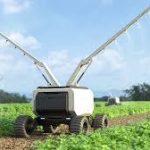
Technology like precision agriculture, which uses data to optimize farming practices, is an example of this focus. Drones, sensors, and GPS technology can help farmers apply water, fertilizer, and pesticides more precisely. This reduces waste and improves crop yields.
Research and Development Support
The department funds research into new crop varieties, disease resistance, and improved farming techniques. This research is often conducted at universities and agricultural research centers across the country. The findings are then shared with farmers.
This support is vital for addressing emerging challenges, such as climate change and new pest threats. For example, research might focus on developing drought-tolerant crops or finding natural ways to control invasive insects. Such advancements help farms adapt.
Innovation in animal agriculture is also supported. This can include research into animal health, nutrition, and more sustainable livestock management practices. These efforts contribute to a healthier and more efficient food supply.
Technological Advancements
Modern agriculture is increasingly driven by technology. The Secretary’s office helps facilitate the adoption of these advancements. This includes promoting the use of data analytics, automation, and biotechnology on farms.
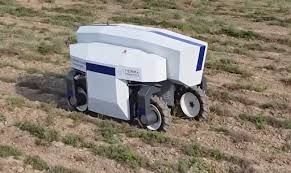
For instance, using sensors to monitor soil moisture can help farmers water crops more efficiently. Automated systems can help with planting, harvesting, and other tasks, reducing labor costs. Biotechnology can lead to crops that are more nutritious or resistant to pests.
These technologies not only increase productivity but also can reduce environmental impact. By using resources more effectively, farms can become more sustainable. The Secretary’s role is to ensure farmers have access to and knowledge of these tools.
Challenges Facing Modern Agriculture
Modern agriculture faces many challenges. These include changing weather patterns due to climate change, market volatility, and increasing consumer demands for sustainable products. The Secretary works to address these issues through policy and programs.
Climate change poses a significant threat, with unpredictable weather events like droughts and floods impacting crop yields. Farmers need support to adapt to these changes, which might involve investing in new irrigation systems or planting different crop varieties.
The agricultural sector also deals with labor shortages and rising input costs. Finding ways to attract and retain farm workers, and developing cost-effective farming methods, are ongoing priorities. The Secretary’s office explores solutions to these economic pressures.
Climate Change Adaptation
Adapting to climate change is a critical focus. This involves developing strategies to help farms cope with extreme weather and changing growing seasons. It also includes promoting practices that reduce agriculture’s own contribution to greenhouse gas emissions.
Examples include encouraging farmers to plant cover crops that help retain soil moisture and reduce erosion during heavy rains. Investing in research for drought-resistant crops is also important. These measures help farms remain productive despite environmental shifts.
The Secretary’s office can also support programs that help farmers adopt renewable energy sources. This could include installing solar panels or using biofuels, which can reduce operating costs and lessen environmental impact.
Economic Pressures on Farmers
Farmers often face tight margins due to fluctuating commodity prices and rising costs for things like fuel, fertilizer, and labor. These economic pressures can make it difficult for farms to remain profitable.
The department’s programs, such as crop insurance and direct payments, are designed to provide a safety net. These programs help farmers manage financial risks and ensure they can continue to operate, even during difficult times.
Furthermore, efforts to expand export markets can increase demand for American farm products, helping to drive up prices. The Secretary often engages in international trade negotiations to benefit U.S. producers.
Common Myths Debunked
Myth 1: Agriculture secretary Brooke Rollins focuses only on large farms.
Reality: The work of the Agriculture Secretary benefits all types of farms, from small family operations to large agricultural businesses. Many programs are designed to support farmers of all sizes, ensuring they have the resources needed to succeed and contribute to the food supply.
Myth 2: The Agriculture Secretary’s job is solely about growing food.
Reality: The role extends beyond food production to include land conservation, rural development, and ensuring food safety. It encompasses a wide range of issues that affect rural communities and the environment.
Myth 3: Agricultural policies are too complicated for everyday people to understand.
Reality: While some policies can be complex, the goal is to make them accessible. The department strives to communicate its work clearly, and understanding the basics of agricultural policy can help people appreciate the system that brings food to their tables.
Myth 4: Technology in farming always replaces human workers.
Reality: Technology often assists farm workers, making their jobs safer and more efficient, rather than completely replacing them. It can help address labor shortages and improve productivity.
Frequently Asked Questions
Question: What is the main goal of the Agriculture Secretary?
Answer: The main goal is to support and strengthen American agriculture, including farmers, ranchers, and rural communities, while promoting food safety and conservation.
Question: How does the Agriculture Secretary influence food prices?
Answer: Through policies that affect supply, demand, trade, and farm support programs, the Secretary can indirectly influence food prices for consumers.
Question: Does the Agriculture Secretary deal with international farming issues?
Answer: Yes, the Secretary is involved in international trade agreements and policies that affect American agricultural exports and imports.
Question: What kind of training or background is typical for an Agriculture Secretary?
Answer: They often have backgrounds in agriculture, economics, public policy, or related fields, with experience in government or the agricultural industry.
Question: How can farmers get help from the Department of Agriculture?
Answer: Farmers can access support through various programs administered by the department, including financial assistance, crop insurance, and technical guidance.
Wrap Up
Understanding agriculture secretary Brooke Rollins means knowing her role in supporting farmers and our food system. She works on food safety, conservation, and helping rural areas grow. Her decisions impact how farms operate and the food we buy.
This guide showed how her work touches many parts of our lives.