
Thinking about farming with robots can sound tricky at first. There are many types of agriculture robots out there. You might worry about understanding how they work or which one is best for your farm.
Don’t let it feel overwhelming! We’ll break down everything you need to know in a simple way. Get ready to learn about amazing tools that can help your farm grow.
Key Takeaways
- You will learn what agriculture robots are and why they are important.
- We will explore different types of robots used in farming today.
- You’ll see how these robots can help make farms more efficient and productive.
- We will discuss the benefits and challenges of using robots in agriculture.
- You will discover real examples of how farms are using robots successfully.
- We will answer common questions about farming with robots.
What Are Agriculture Robots
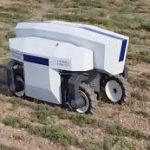
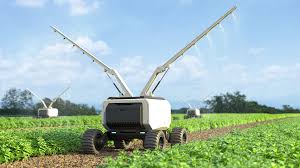
Agriculture robots, also called agribots, are machines designed to help with tasks on a farm. These robots use technology like artificial intelligence and sensors to do jobs that people used to do. They can plant seeds, spray crops, harvest produce, and even monitor soil health.
Using these robots can make farming easier, faster, and more productive.
Robots for Planting and Seeding
Planting seeds is a vital step for any farm. Traditional methods can be time-consuming and require a lot of labor. Robots designed for planting can handle this task with great precision.
They can ensure seeds are placed at the exact right depth and spacing. This leads to better germination rates and healthier plants.
Some seeding robots use GPS technology to map fields accurately. This helps them cover the entire area without missing spots or planting too closely together. Other robots can identify different soil types and adjust their planting strategy accordingly.
This smart approach maximizes the potential for growth.
- Precision Planting: Robots can place seeds with pinpoint accuracy, optimizing spacing and depth. This leads to more uniform crop stands and increased yields. Studies show that precision planting can improve crop yield by up to 15%.
- Automated Field Coverage: Using GPS and advanced navigation, robots ensure every part of the field is seeded. They avoid overlapping or leaving gaps, saving time and resources.
- Soil Condition Adaptation: Some advanced robots can sense soil moisture and density. They adjust seed depth and placement to suit these conditions for best results.
Robots for Crop Monitoring and Analysis
Keeping a close eye on crops is essential for success. Robots equipped with cameras and sensors can gather detailed information about plant health. They can detect early signs of disease, pests, or nutrient deficiencies.
This allows farmers to act quickly and prevent major problems.
Drones are a common type of robot for crop monitoring. They can fly over fields and take high-resolution images. These images are then analyzed to spot any issues.
Ground-based robots can also perform these tasks, often collecting data on soil moisture, temperature, and nutrient levels.
- Early Disease Detection: Robots can identify subtle changes in leaf color or shape that indicate disease. This early warning allows for targeted treatment, reducing the need for widespread pesticides.
- Pest Identification: Sophisticated sensors and AI can spot signs of pest infestation. This helps farmers manage pests before they cause significant damage to the crop.
- Nutrient Deficiency Spotting: Robots can analyze plant health data to detect if certain nutrients are lacking. This guides farmers on where and what type of fertilizer to apply, avoiding overuse.
- Yield Prediction: By monitoring crop growth and health, robots can help estimate future yields. This information is valuable for planning harvest and market sales.
Robots for Harvesting
Harvesting is often one of the most labor-intensive parts of farming. Robots are being developed to automate this process for various crops. They can pick fruits, vegetables, and even grains.
This can speed up harvest times and reduce losses due to spoilage.
Some harvesting robots use specialized grippers to gently pick delicate produce. Others are designed for larger-scale harvesting of grains or cotton. The goal is to perform the task efficiently while minimizing damage to the crop and maximizing the amount collected.
- Gentle Harvesting Techniques: Robots use advanced manipulators and sensors to pick produce without bruising. This is especially important for fruits and vegetables.
- Continuous Operation: Unlike human workers, robots can operate for extended periods without fatigue. This is critical during peak harvest seasons.
- Reduced Spoilage: By harvesting at the optimal time and handling produce carefully, robots can reduce waste and spoilage.
- Labor Cost Reduction: Automating harvesting can significantly lower labor costs, which are a major expense for many farms.
Robots for Weed and Pest Control
Weeds and pests compete with crops for resources, reducing yields. Robots can help manage these problems in eco-friendly ways. Some robots can identify weeds and remove them precisely, either mechanically or with targeted herbicide application.
This reduces the need for broadcast spraying, which can harm beneficial insects and the environment.
Other robots focus on targeted pest control. They can detect specific pests and apply treatments only where needed. This precision approach is more efficient and environmentally sound than traditional methods.
- Precision Spraying: Robots can identify weeds or pests and apply herbicides or pesticides directly to them. This significantly reduces the amount of chemicals used, saving money and protecting the environment. One study found precision spraying can reduce herbicide use by up to 90%.
- Mechanical Weed Removal: Some robots use tools to physically remove weeds from fields. This is an alternative to chemical control, offering a more organic approach.
- Integrated Pest Management Support: By monitoring pest populations, robots provide data that helps farmers make informed decisions about pest control strategies.
Robots for Livestock Management
Robots are also finding their way into animal farming. They can assist with tasks like feeding, cleaning, and monitoring the health of livestock. Automated milking systems are a well-established example.
Other robots can detect when an animal is sick by analyzing its behavior or body temperature.
These applications can improve animal welfare and farm efficiency. By automating routine tasks, farmers can spend more time on animal care and less time on manual labor.
- Automated Feeding Systems: Robots can deliver the right amount of feed to animals at the right time. This ensures consistent nutrition and can optimize growth.
- Health Monitoring: Sensors can track an animal’s temperature, movement, and feeding patterns. Unusual changes can signal illness, allowing for early intervention.
- Milking Automation: Robotic milking parlors can milk cows efficiently and hygienically, often providing data on milk quality and udder health.
Benefits of Using Agriculture Robots
The adoption of agriculture robots offers a wide array of advantages for farmers. These benefits extend from boosting efficiency to improving sustainability and profitability. Embracing these technologies can transform how farms operate, making them more resilient and productive in the long run.
Increased Efficiency and Productivity
One of the most significant benefits is the leap in efficiency. Robots can perform tasks faster and more consistently than humans. They don’t get tired and can work around the clock, especially during critical times like planting and harvest.
This means more work gets done in less time.
This enhanced productivity can lead to higher yields. Robots can also operate in conditions that might be difficult or dangerous for humans, further increasing the farm’s output potential. Think about harvesting in very hot weather or working on steep slopes.
- 24/7 Operation Potential: Robots can work day and night, optimizing fieldwork schedules and completing tasks faster. This is especially useful during short planting or harvesting windows.
- Consistent Performance: Robots perform tasks with a high degree of accuracy and consistency, reducing errors and variability in farm operations.
- Reduced Downtime: While robots need maintenance, they can often be repaired quickly, and backup units can ensure operations continue.
Improved Crop Quality and Yields
Robots contribute to better crop quality and higher yields through precision. By ensuring optimal planting depth, spacing, and nutrient delivery, they create ideal growing conditions. Early detection of diseases and pests also means problems are fixed before they can significantly harm the crop.
This leads to healthier plants and more abundant harvests.
For produce that is harvested by robots, the gentle handling can mean less bruising and damage. This results in higher quality products that fetch better prices in the market. The ability to harvest at the perfect ripeness also plays a key role.
- Optimized Growing Conditions: Precision robots ensure that each plant receives exactly what it needs. This includes water, nutrients, and sunlight, leading to stronger growth.
- Minimized Crop Damage: Gentle robotic harvesting and handling reduce physical damage to crops, preserving their appearance and market value.
- Data-Driven Decision Making: Robots provide valuable data that helps farmers make smarter choices about crop management, leading to better outcomes.
Reduced Labor Costs and Requirements
Labor is a significant expense for most farms. Agriculture robots can automate many tasks, reducing the need for a large workforce. This is particularly helpful in regions facing labor shortages.
While the initial investment in robots can be high, the long-term savings on wages, benefits, and recruitment can be substantial.
This shift also allows existing farm workers to focus on more complex or supervisory roles, rather than repetitive manual labor. It can make farming a more attractive profession.
- Lower Wage Expenses: Automating tasks reduces the need for hired farmhands, directly cutting down on payroll costs.
- Addressing Labor Shortages: Robots can fill gaps in the workforce, ensuring critical farm operations continue even when human labor is scarce.
- Improved Worker Safety: Robots can take over dangerous tasks, reducing the risk of accidents and injuries for human workers.
Enhanced Sustainability and Environmental Benefits
Robots can contribute to more sustainable farming practices. Precision application of water, fertilizers, and pesticides means less waste. This protects natural resources and reduces pollution.
For example, robots that spray only where needed drastically cut down on chemical runoff into waterways.
Optimized use of resources also means lower carbon footprints. Efficient application of fuel and reduced waste contribute to a healthier environment. This aligns with the growing demand for eco-friendly food production.
- Reduced Chemical Usage: Precision application of pesticides and herbicides minimizes environmental contamination and harm to beneficial organisms.
- Efficient Water Use: Robots can monitor soil moisture and deliver water only where and when it’s needed, conserving this precious resource.
- Less Soil Compaction: Lighter-weight robots can reduce soil compaction compared to heavy machinery, improving soil health and water infiltration.
Improved Data Collection and Analysis
Modern agriculture robots are equipped with sensors that collect vast amounts of data. This data covers everything from soil conditions and weather patterns to plant health and crop growth. Farmers can use this information to make better decisions about their operations.
Analyzing this data helps identify trends, predict issues, and optimize resource allocation. It allows for a more scientific and informed approach to farming, moving away from guesswork.
- Real-time Field Insights: Robots provide up-to-the-minute information on field conditions and crop status.
- Predictive Analytics: Historical and real-time data can be used to forecast yields, predict disease outbreaks, and plan interventions.
- Farm Management Software Integration: Data collected by robots can be fed into farm management software for comprehensive analysis and planning.
Challenges of Agriculture Robots
While agriculture robots offer many advantages, their widespread adoption also faces several hurdles. These challenges range from the initial costs to the technical skills required. Addressing these issues is key to unlocking the full potential of robotic farming.
High Initial Cost
One of the biggest barriers is the significant upfront investment required to purchase agriculture robots. These advanced machines are expensive. For many smaller farms, the cost can be prohibitive, making it difficult to compete with larger operations that can afford this technology.
While the long-term savings are clear, securing the capital for such an investment can be a major obstacle. Finding affordable financing options or government grants becomes crucial for many farmers looking to adopt this technology.
- Capital Investment Barrier: The purchase price of advanced agricultural robots can be tens or hundreds of thousands of dollars, posing a significant financial hurdle.
- Return on Investment Timeline: It can take several years for the savings and increased profits generated by robots to offset the initial purchase cost.
- Financing and Grant Dependence: Many farmers rely on loans, leases, or agricultural grants to make these purchases possible, which are not always readily available.
Technical Expertise and Training Needs
Operating and maintaining agriculture robots requires a certain level of technical skill. Farmers and farm workers need to be trained on how to use the software, troubleshoot issues, and perform basic maintenance. This requires an investment in training and education, which may not be readily available in all rural areas.
The rapid pace of technological change also means that training needs to be ongoing. Keeping up with software updates and new features can be a challenge. This digital divide needs to be addressed to ensure all farmers can benefit.
- Skill Gap in Rural Areas: There is often a shortage of individuals with the necessary technical skills to operate and repair complex farm machinery.
- Training Requirements: Farmers and their staff need to undergo specialized training to effectively use and maintain robotic systems.
- Ongoing Learning Curve: As technology advances, continuous learning and adaptation are necessary to keep up with new features and capabilities.
Connectivity and Infrastructure Issues
Many agriculture robots rely on strong internet connectivity for data transfer, remote operation, and software updates. In many rural farming areas, reliable and high-speed internet access is still limited or non-existent. This lack of infrastructure can hinder the effective use of these technologies.
Power supply and charging stations can also be a consideration. Ensuring adequate power for charging large robots and having suitable charging infrastructure across the farm is important for uninterrupted operation.
- Limited Rural Broadband Access: Many farming regions lack the high-speed internet required for seamless robot operation and data transmission.
- Data Transmission Challenges: Uploading and downloading large amounts of data from robots can be slow or impossible without robust connectivity.
- Power Requirements: Robots, especially larger ones, require significant power for charging, which may necessitate upgrades to farm electrical infrastructure.
Integration with Existing Farm Systems
Integrating new robotic systems with existing farm equipment and management practices can be complex. Ensuring compatibility between different brands and software platforms is a challenge. Farmers need solutions that can work seamlessly with their current operations to avoid disruption.
This involves thinking about how robots will fit into the daily workflow, how data will be shared, and how maintenance will be coordinated. A piecemeal approach can lead to inefficiencies.
- Compatibility Issues: New robots may not always be compatible with older farm machinery or existing software systems, requiring custom solutions or replacements.
- Workflow Disruption: Introducing robots requires careful planning to adjust existing farm workflows and ensure smooth integration.
- Data Silos: If data from robots cannot be easily shared with other farm management tools, its full value may not be realized.
Environmental and Weather Dependency
Agriculture robots, like any farm equipment, are subject to weather conditions. Extreme heat, cold, heavy rain, or snow can prevent robots from operating. This means that while robots can work longer hours, they still have limitations based on environmental factors.
Furthermore, some robots are designed for specific terrains or soil types. Adapting them to different conditions can be difficult. Their sensors and cameras can also be affected by dust, mud, or fog.
- Operational Limitations in Adverse Weather: Extreme temperatures, heavy rain, or snow can halt robot operations, just as they do for human workers.
- Terrain and Soil Specificity: Some robots are designed for specific environments, limiting their use on farms with varied or challenging terrains.
- Sensor Performance Degradation: Dust, mud, or fog can impact the accuracy of sensors and cameras, affecting the robot’s performance and decision-making.
Types of Agriculture Robots
The world of agriculture robots is diverse, with different machines designed for specialized tasks. From small drones to large autonomous tractors, each type plays a unique role in modern farming. Understanding these categories helps farmers identify the best tools for their needs.
Autonomous Tractors
Autonomous tractors are vehicles that can operate without a human driver. They use GPS, sensors, and advanced software to navigate fields, plow, plant, and harvest. These tractors can work precisely and efficiently, often operating 24/7.
They can be programmed for specific tasks and follow predefined paths. This ensures consistent coverage and minimizes human error. They are becoming a cornerstone of automated farming operations.
- Self-Driving Capability: These tractors navigate fields autonomously using GPS, lidar, and cameras.
- Versatile Applications: They can perform a wide range of tasks including plowing, seeding, tilling, and spraying.
- Enhanced Precision: Equipped with RTK-GPS, they achieve centimeter-level accuracy for optimal fieldwork.
Drones (Unmanned Aerial Vehicles UAVs)
Drones are increasingly used for tasks like crop monitoring, spraying, and surveying. They can cover large areas quickly and provide aerial imagery. This imagery can reveal issues invisible from the ground, such as nutrient deficiencies or pest infestations.
Drones equipped with sprayers can apply treatments precisely where needed, reducing chemical use. They are also used for planting seeds in hard-to-reach areas or for mapping fields before planting.
- Aerial Imaging and Mapping: Drones capture high-resolution images for crop health assessment and field analysis.
- Targeted Spraying Applications: Equipped with tanks and nozzles, they can apply pesticides, herbicides, or fertilizers with great accuracy.
- Efficient Surveying: They can quickly survey large areas, providing valuable data for farm planning and management.
Robotic Weeders
These specialized robots are designed to identify and remove weeds from crops. They use cameras and AI to distinguish between crops and weeds. Then, they either mechanically pull out the weeds or apply a targeted herbicide.
This reduces the need for widespread chemical spraying, making farming more sustainable.
Robotic weeders help farmers manage weed populations effectively while protecting the soil and the environment. They are a key part of integrated weed management strategies.
- Weed Identification Technology: Advanced AI and computer vision allow robots to accurately differentiate crops from weeds.
- Mechanical or Chemical Removal: They can either physically remove weeds or apply spot treatments of herbicides.
- Reduced Herbicide Dependence: This technology significantly lowers the overall amount of herbicides needed in fields.
Robotic Harvesters
Robotic harvesters are designed to pick fruits, vegetables, and other crops. They use advanced sensors and robotic arms to identify ripe produce and gently pick it. This automation can speed up the harvest process and reduce labor costs, especially for delicate crops.
These robots are crucial for maintaining the quality of harvested produce, minimizing bruising and damage. They can operate for long periods, ensuring efficient harvesting of large volumes.
- Automated Produce Picking: Robots use manipulators to harvest fruits and vegetables with precision and care.
- Quality Preservation: Gentle handling by robots minimizes damage and spoilage, leading to higher-quality produce.
- Labor-Saving Solution: They significantly reduce the need for manual labor during the critical harvest period.
Robotic Milking Systems
In dairy farming, robotic milking systems have become common. These automated systems allow cows to be milked whenever they choose, improving animal welfare. The robots attach to the cow’s udder, milk it, and then detach.
They also collect data on milk production and quality.
These systems can improve milk quality and herd health. They also free up dairy farmers from the demanding schedule of manual milking.
- Cow-Centric Milking: Cows can voluntarily go to the robot for milking, allowing for more natural routines.
- Data Collection on Milk Quality: Systems monitor milk yield, composition, and udder health for each cow.
- Improved Hygiene and Efficiency: Robotic milking ensures consistent cleanliness and can milk cows faster than manual methods.
Real-Life Examples and Case Studies
Seeing agriculture robots in action provides a clear picture of their impact. Many farms are already benefiting from this technology, showcasing its practical applications and impressive results. These examples highlight how robots are revolutionizing farming practices today.
Case Study: Precision Spraying with Drones in California
A large vineyard in California faced challenges with applying pesticides to control powdery mildew. Traditional spraying methods used large amounts of chemicals and were time-consuming. They adopted drones equipped with precision spraying technology.
The drones were able to fly over the vineyard and apply fungicide only to the specific areas affected by the mildew. This resulted in a 40% reduction in pesticide usage and a 25% decrease in application costs. The vineyard also reported an improvement in grape quality due to more targeted treatments.
- Problem: Inefficient and costly pesticide application for disease control in a large vineyard.
- Solution: Deployment of drones with precision spraying capabilities.
- Results: 40% less pesticide used, 25% cost savings, and improved grape quality.
Case Study: Automated Harvesting of Strawberries in Europe
Strawberry farms in parts of Europe struggle with labor shortages during peak harvest season. To address this, a company developed robotic harvesters that can identify ripe strawberries and pick them gently. These robots navigate through the strawberry fields, using cameras to assess ripeness and robotic arms to pluck the fruit.
The robotic harvesters can work continuously, picking up to 300 strawberries per hour. This has helped farms maintain their harvest schedule and reduce fruit spoilage. It also ensures that the delicate strawberries are handled with care, preserving their market value.
- Challenge: Labor scarcity during strawberry harvest season.
- Robotic Solution: Development of robots capable of identifying and gently picking ripe strawberries.
- Impact: Increased harvesting speed, reduced spoilage, and maintained fruit quality.
Case Study: Autonomous Tractors for Row Crop Farming in the Midwest
A large corn and soybean farm in the American Midwest invested in a fleet of autonomous tractors. These tractors handle tasks like plowing, planting, and cultivating. The farm’s operators manage the tractors from a central command center, overseeing their operations and making adjustments as needed.
This adoption led to a 20% increase in the acreage they could farm with the same workforce. It also improved the precision of planting and nutrient application, leading to higher yields. The tractors operate 24/7, maximizing efficiency during crucial farming periods.
The farm reported that the consistency of the autonomous tractors ensured every row was planted at the exact same depth, promoting uniform germination. They also noted that fuel consumption was optimized, as the tractors followed the most efficient routes.
- Farm Type: Large row crop farm (corn and soybeans).
- Technology Adopted: Autonomous tractors for plowing, planting, and cultivating.
- Observed Benefits: 20% increase in farmed acreage, improved planting precision, higher yields, and optimized fuel use.
Common Myths Debunked
There are many ideas about agriculture robots that aren’t quite true. Let’s clear up some of these common misunderstandings so you can see the real picture.
Myth 1: Robots will take away all farming jobs.
While robots automate many tasks, they don’t eliminate the need for human workers. Instead, they change the nature of farm jobs. Farmers and workers will need new skills, like operating and maintaining robots, analyzing data, and managing automated systems.
This shift can lead to more skilled and higher-paying roles in agriculture.
Myth 2: Agriculture robots are only for very large farms.
This used to be more true, but technology is becoming more affordable and accessible. Smaller farms can now benefit from robots, especially those that are modular or designed for specific tasks like precision spraying or weeding. There are also service providers that offer robotic operations for farms on a contract basis.
Myth 3: Robots are too complicated for farmers to use.
Manufacturers are working to make robot interfaces user-friendly. Many systems now have intuitive touch-screen controls and simplified software. While some technical knowledge is needed, training programs and ongoing support are available.
The goal is to make these tools practical for everyday farm use.
Myth 4: Robots can’t handle the unpredictable nature of farming.
Modern robots are equipped with advanced sensors and artificial intelligence that allow them to adapt to changing conditions. They can identify different types of crops, weeds, or even ripe fruit. While they have limitations, their ability to sense and react is improving rapidly, making them capable of handling many farm challenges.
Frequently Asked Questions
Question: Are agriculture robots expensive?
Answer: While the initial cost of some advanced agriculture robots can be high, prices are coming down. For many farms, the long-term savings in labor and resources, combined with increased yields, make them a worthwhile investment. There are also financing options and smaller-scale robots available.
Question: Do I need to be a tech expert to use agriculture robots?
Answer: You don’t need to be a tech expert. Manufacturers are designing robots with user-friendly interfaces. Training is typically provided, and support is available to help you learn how to operate and maintain the machines.
Question: Can robots work in any weather?
Answer: Robots have limitations with extreme weather conditions, much like human workers. Very heavy rain, snow, or extreme temperatures can prevent them from operating safely or effectively. However, they can often work longer hours in moderate conditions.
Question: How do robots help the environment?
Answer: Robots help the environment by enabling precision farming. They use fewer chemicals like pesticides and fertilizers because they apply them only where needed. They also optimize water usage and can reduce soil compaction, leading to more sustainable farming practices.
Question: Will robots replace all farmers?
Answer: No, robots are tools to assist farmers, not replace them entirely. They automate repetitive or difficult tasks, allowing farmers to focus on decision-making, management, and more complex aspects of running a farm. The human element of farming remains crucial.
Final Thoughts
Agriculture robots offer exciting possibilities for modern farms. They can boost efficiency, improve crop quality, and make farming more sustainable. While there are challenges like cost and training, the benefits are significant.
Exploring these robotic tools can help your farm thrive in the future.