
Agriculture engineering might sound like a big topic, especially when you’re just starting out. It deals with how we use science and machines in farming. Sometimes, the big words and ideas can feel a bit confusing.
But don’t worry! We’re going to break it all down into easy steps. You’ll see how cool and important this field is.
Let’s get started on making it clear and simple for everyone.
Key Takeaways
- You will learn what agriculture engineering is all about.
- We will explain the main jobs agriculture engineers do.
- Discover the tools and technologies used in this field.
- Understand how agriculture engineering helps grow more food.
- See how it makes farming safer and better for the planet.
- Learn about the future of this important work.
What Is Agriculture Engineering
Agriculture engineering, often called Ag Engineering, is a field that mixes farming knowledge with engineering principles. It’s all about making farming better, more efficient, and more sustainable. This means engineers help design equipment, improve how we manage water, and find smarter ways to grow crops.
They use science to solve problems on farms. This helps feed a growing world.
Defining Agriculture Engineering
At its heart, agriculture engineering is the application of engineering science and design to agricultural production and processing. It’s a broad area. It covers everything from the smallest seed to the largest tractor.
It also includes how we protect the environment around farms. Think about designing a better irrigation system. Or creating a new type of combine harvester.
That’s all part of Ag Engineering.
This field helps improve crop yields. It also makes farming less labor-intensive. Farmers can work smarter, not just harder.
Ag engineers make sure farms can keep up with the demands of a growing population. They also focus on making farming friendly to nature. This balance is key to feeding everyone for years to come.
The Role of An Agriculture Engineer
An agriculture engineer has many important tasks. They might design new farming machines. These machines can plant seeds faster or harvest crops more carefully.
They also work on systems for managing water. This is very important for crops. They might design dams or irrigation pipes.
They also help make sure farms are safe. This includes designing buildings and equipment that don’t cause harm.
Another big part is looking at how to make farms more environmentally friendly. This includes managing waste from animals. It also means using resources like water and energy wisely.
Engineers also help with food processing. They design machines that help clean, sort, and package food safely. This ensures food reaches us in good condition.
- Designing and testing new farm equipment like tractors, planters, and harvesters.
- Developing efficient systems for irrigating crops and managing water resources.
- Creating structures for livestock and crop storage that are safe and effective.
- Working on ways to reduce pollution from farms and conserve natural resources.
- Improving the processes used to handle and store agricultural products.
These engineers are problem-solvers. They use math and science to find practical solutions for farmers. They need to know about biology and chemistry too.
This helps them understand how plants and animals grow. They also need to know about physics and mechanics for machines. Their work directly impacts how much food we have and how it’s produced.
Key Areas In Agriculture Engineering
Agriculture engineering is not just one thing. It’s a collection of different specialties. Each one focuses on a specific part of farming.
These areas work together to make the whole system better. Knowing these areas helps you see the full picture. It shows how engineers contribute to feeding the world.
Power Machinery And Technology
This part of agriculture engineering is about the machines we use on farms. It includes tractors, combines, and sprayers. Engineers design these machines to be strong, efficient, and easy to use.
They also focus on making them use less fuel and create fewer emissions. This is good for the farmer’s wallet and for the planet.
Technology plays a big role now. Think about GPS systems that guide tractors perfectly. Or sensors that tell farmers exactly how much water or fertilizer crops need.
These are all developed by engineers. They use computers and electronics to make farming smarter.
- Designing efficient and powerful tractors and other vehicles.
- Developing automated systems for planting, harvesting, and spraying crops.
- Integrating GPS and sensor technology for precision farming.
- Improving fuel efficiency and reducing the environmental impact of machinery.
- Researching new materials for stronger and lighter farm equipment.
The goal here is to make farm work easier and more productive. Farmers can cover more land in less time. They can also be more precise.
This means less waste of seeds, water, and fertilizer. This also leads to better crop quality. Statistics show that modern machinery can increase harvest yields by up to 30%.
Soil And Water Conservation
Farming depends on good soil and water. This area of engineering focuses on protecting these precious resources. Engineers design ways to stop soil from washing away.
They also create systems for using water effectively. This is very important, especially in dry areas.
They might design terraces on hillsides to slow down water. Or they could design systems to collect rainwater. They also work on managing water in fields to prevent flooding or drought.
Making sure farms can produce food without harming the land is the main goal.
- Designing structures like terraces, dams, and ponds for water management.
- Developing efficient irrigation systems like drip irrigation and sprinklers.
- Creating methods to prevent soil erosion from wind and water.
- Planning land use to protect natural habitats and biodiversity.
- Implementing techniques for water harvesting and groundwater recharge.
Proper soil and water management is vital for long-term farming success. It ensures that land remains fertile for future generations. For example, a well-designed irrigation system can reduce water usage by 50%.
This is crucial in regions facing water scarcity.
Structures And Environment
This part of agriculture engineering deals with the buildings and environments on a farm. This includes barns for animals, storage for crops, and greenhouses. Engineers design these structures to be safe for animals and workers.
They also make sure crops are stored in conditions that keep them fresh.
They also consider the farm’s impact on the environment. This includes managing waste from livestock. It also involves ensuring that farm operations don’t pollute nearby water sources.
Designing ventilation systems for barns helps keep animals healthy and reduces smells.
- Designing barns, sheds, and greenhouses for livestock and crop production.
- Developing systems for managing animal waste and farm byproducts.
- Creating controlled environments for greenhouses to optimize plant growth.
- Ensuring farm structures are safe, durable, and energy-efficient.
- Working on solutions for climate control in storage facilities to preserve produce.
Good farm structures and environmental management are essential. They support healthy livestock and good quality crops. They also help farms operate in a way that is kind to the surrounding environment.
A study found that proper manure management systems can reduce greenhouse gas emissions from farms by up to 40%.
Bioprocess Engineering
Bioprocess engineering in agriculture is about using biological systems and processes. This can involve using microbes to break down waste. It can also mean developing biofuels from farm products.
Or even creating new types of plants through biotechnology.
Engineers in this area work to make agriculture more sustainable. They look for ways to turn farm waste into useful energy. They also help develop more disease-resistant crops.
This reduces the need for pesticides. It’s a very innovative and growing part of agriculture engineering.
- Developing methods to convert agricultural waste into biogas or biofuels.
- Applying biotechnology to improve crop yields and resistance to pests and diseases.
- Designing fermentation processes for food and beverage production.
- Using microbes for waste treatment and pollution control on farms.
- Creating sustainable solutions for animal feed production.
This area helps make farming more circular. It means using resources over and over. It also leads to more eco-friendly ways of producing food and energy.
For example, using crop residues to create biofuels can reduce reliance on fossil fuels. This can cut carbon emissions significantly.
Technology Transforming Agriculture
Technology is changing farming in amazing ways. Agriculture engineering is at the forefront of this. New tools and methods are making farming smarter, more efficient, and more sustainable.
These advancements are helping farmers produce more food with fewer resources.
Precision Agriculture
Precision agriculture is a big change in farming. It means using technology to manage fields more precisely. Instead of treating a whole field the same, farmers can treat small parts differently.
This is based on what each part needs.
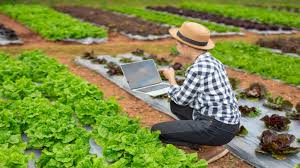
Sensors in the soil and on machines collect data. This data tells farmers about soil health, moisture levels, and nutrient needs. GPS guides tractors to plant seeds exactly where they should go.
This reduces waste and improves crop growth.
- Using sensors to monitor soil conditions and crop health in real-time.
- Employing GPS and guidance systems for accurate planting and harvesting.
- Applying fertilizers and pesticides only where and when needed.
- Utilizing drones and satellite imagery for field analysis.
- Managing variable rate application of inputs for optimal resource use.
Precision agriculture helps farmers make better decisions. It leads to higher yields and lower costs. It also reduces the environmental impact of farming.
For instance, applying fertilizer only where it’s needed can cut fertilizer use by up to 20%. This saves money and prevents pollution.
Imagine a farmer using a drone to fly over their fields. The drone takes pictures that show which parts of the field have problems. Some areas might need more water.
Others might need more nutrients. The farmer then uses this information. They can adjust their irrigation or fertilization just for those specific spots.
This is much better than watering or fertilizing the whole field the same way.
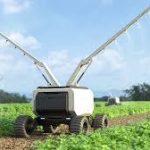
Automation And Robotics
Automation and robotics are making farm work easier and more efficient. Robots are now doing tasks that used to be done by hand or with large machines. This can include picking fruits or even milking cows.
Automated systems can work longer hours. They can also perform tasks with great accuracy. This helps farmers deal with labor shortages.
It also improves the quality of the work done.
- Developing robots for tasks like fruit picking, weeding, and spraying.
- Implementing automated systems for irrigation and climate control in greenhouses.
- Using robotic milkers for dairy cows.
- Creating autonomous tractors and other farm vehicles.
- Exploring AI-powered systems for crop monitoring and disease detection.
Robotics can significantly improve efficiency and reduce labor costs. For example, automated weeding robots can remove weeds precisely. This decreases the need for herbicides.
Studies suggest that robotic weeders can reduce herbicide use by up to 70%.
Consider a large strawberry farm. Harvesting strawberries by hand can be time-consuming and expensive. Now, robotic harvesters can carefully pick ripe strawberries.
They can do this day and night. This means more strawberries get picked at their best. It also means farmers don’t have to rely as much on seasonal workers.
Data Analytics And AI
Data analytics and Artificial Intelligence (AI) are becoming very important in agriculture. Farmers collect vast amounts of data from sensors, machines, and weather stations. AI can analyze this data to find patterns and make predictions.
This helps farmers make informed decisions. They can predict when pests might appear. They can also forecast crop yields more accurately.
AI can even help in breeding better crops. It’s like having a super-smart advisor for the farm.
- Using AI to analyze sensor data for early disease detection in crops.
- Applying machine learning to predict weather patterns and their impact on farming.
- Developing algorithms for optimizing planting schedules and resource allocation.
- Using data analytics to improve livestock health and management.
- Creating smart systems that adjust farm operations based on real-time data.
The use of data and AI can lead to better yields and resource management. It allows for proactive problem-solving. This makes farms more resilient.
For example, AI can predict disease outbreaks days in advance. This allows farmers to take action before it spreads widely. This can save entire harvests.
Challenges And The Future
Agriculture engineering faces many challenges. Climate change, feeding a growing population, and resource limitations are big ones. But these challenges also drive innovation.
The future of agriculture engineering looks exciting and crucial.
Feeding A Growing World
The world’s population is growing fast. This means we need to produce more food than ever before. Agriculture engineers are key to meeting this demand.
They develop ways to increase crop yields. They also help make farming more efficient.
This involves creating better seeds. It also means improving farming practices. Engineers design systems that use land and water more wisely.
They are finding ways to grow more food in challenging environments. This includes areas with poor soil or limited water.
- Increasing crop productivity through improved genetics and farming techniques.
- Developing sustainable farming methods that can be scaled up globally.
- Creating resilient agricultural systems that can withstand climate change impacts.
- Reducing food waste throughout the supply chain.
- Exploring new food sources and production methods.
The challenge is to increase food production without harming the environment. This requires smart engineering solutions. It means balancing output with sustainability.
Global food demand is projected to increase by 70% by 2050. Engineers are working hard to meet this need.
Sustainability And Environment
Making agriculture sustainable is a major focus. Farmers need to produce food while protecting the environment. This includes reducing greenhouse gas emissions.
It also means conserving water and soil.
Agriculture engineers develop technologies for this. They create systems for renewable energy on farms. They also design ways to recycle nutrients and reduce pollution.
The goal is to have farms that can last for a long time without damaging the planet.
- Developing clean energy solutions for farm operations.
- Implementing practices to reduce water usage and improve water quality.
- Creating methods for soil health improvement and carbon sequestration.
- Designing systems for managing farm waste and reducing pollution.
- Promoting biodiversity and ecological balance on agricultural lands.
Sustainable practices are essential for the long-term health of our planet. They ensure that we can continue to farm and eat well. They also help protect natural resources for future generations.
A significant portion of global greenhouse gas emissions comes from agriculture. Engineers are working to lower this number significantly.
The Role Of Education
To meet these challenges, more skilled agriculture engineers are needed. Education plays a vital role. Universities offer programs in this field.
These programs teach students the science and engineering principles. They also cover the latest technologies.
Students learn about everything from farm machinery to bioprocesses. They gain hands-on experience. This prepares them for careers in a field that is constantly growing.
The demand for agriculture engineers is high.
- High school students interested in science and math can prepare for this field.
- University programs offer degrees in agriculture engineering and related fields.
- Continuous learning and professional development are important for engineers.
- Internships and practical experience provide valuable skills.
- Collaboration with farmers and other scientists is key to innovation.
A strong educational foundation is crucial. It equips future engineers with the knowledge to tackle complex problems. It ensures they can develop innovative solutions for a sustainable future.
The agricultural sector is a vital part of the economy. Skilled professionals are needed to keep it advancing.
Common Myths Debunked
Myth 1: Agriculture engineering is just about tractors and farm equipment.
Reality: While designing and improving farm machinery is a key part, agriculture engineering is much broader. It also includes areas like soil and water conservation, environmental management, bioprocess engineering, and the application of advanced technologies like AI and robotics. It’s a diverse field addressing many aspects of food production and sustainability.
Myth 2: Agriculture engineers only work on traditional farms.
Reality: Agriculture engineers work in many settings beyond traditional farms. They can be found in food processing companies, technology firms, research institutions, government agencies, and consulting firms. Their skills are valuable in any sector that deals with food production, resource management, or agricultural technology.
Myth 3: Agriculture engineering is not a high-tech field.
Reality: This is far from true. Modern agriculture engineering is highly technological. It involves the use of GPS, drones, AI, robotics, advanced sensors, and sophisticated data analysis.
Engineers are constantly developing new technologies to make farming more precise, efficient, and sustainable.
Myth 4: Only people with a farming background can become agriculture engineers.
Reality: While a background in farming can be helpful, it’s not a requirement. Agriculture engineering programs are designed to teach students the necessary scientific and engineering principles. A strong interest in science, math, and problem-solving is more important than prior farming experience.
Frequently Asked Questions
Question: What kind of jobs can someone get with an agriculture engineering degree
Answer: You can work as a farm machinery designer, a water resource engineer, a systems designer for food processing plants, a precision agriculture specialist, or in research and development for agricultural technology companies.
Question: Do agriculture engineers need to know a lot about biology
Answer: Yes, a good understanding of biology is important. It helps engineers understand how plants and animals grow, and how to design systems that support healthy agricultural production.
Question: How does agriculture engineering help the environment
Answer: It helps by designing systems that use water and energy more efficiently, reducing pollution from farms, improving soil health, and developing sustainable farming practices.
Question: Is agriculture engineering a difficult field to study
Answer: Like most engineering fields, it requires a good grasp of math and science. However, with dedication and good study habits, it is achievable and very rewarding.
Question: What is the main goal of agriculture engineering
Answer: The main goal is to improve agricultural production and efficiency while ensuring sustainability and protecting the environment for current and future generations.
Summary
Agriculture engineering is vital for feeding our planet. It uses science to make farming smarter and more sustainable. You learned about its many areas, from machines to water use.
You also saw how technology like AI and robots are changing farming. This field tackles big challenges like climate change. It’s a field that helps build a better future for food production.