
It might seem tricky to talk about the agriculture secretary at first. People often wonder what this job really means and what the person in charge does. But don’t worry, it’s not as complicated as it sounds!
We’ll break it down simply, step by step. Get ready to see how easy it is to get a clear picture of this important role.
Key Takeaways
- You will learn who the agriculture secretary is and what their main job is.
- We will explore the daily tasks and big decisions the agriculture secretary makes.
- You’ll find out about the different parts of the government the agriculture secretary works with.
- We will discuss why this position is so important for farmers and everyone else.
- You will understand how the agriculture secretary helps shape food and farm policies.
- We will cover some common ideas people might have about this job and set them straight.
What Is An Agriculture Secretary
An agriculture secretary is a very important person in the government. Their main job is to lead the Department of Agriculture. This department helps farmers, protects our food supply, and works on making sure everyone has enough healthy food to eat.
It’s a big responsibility that affects many parts of our lives, from the food on our plates to the land we use.
Think of the agriculture secretary as the main manager for everything related to farms and food in the country. They make big decisions about farming rules, support programs for farmers, and help make sure our food is safe and grown well. They also work on important issues like saving our environment and helping rural communities grow and thrive.
The Department Of Agriculture
The Department of Agriculture, often called the USDA, is a huge organization. It has many different offices and employees. Each part of the USDA focuses on specific things.
Some help farmers with loans, others make sure our food is healthy, and some study new ways to grow crops.
The agriculture secretary is the head of all these different offices. They oversee everything that the USDA does. This means they have to know a little bit about a lot of different things.
They work with scientists, economists, farmers, and policy experts to get the job done.
Food Safety And Nutrition Programs
One of the biggest jobs of the USDA, led by the agriculture secretary, is making sure our food is safe. This includes checking farms, processing plants, and stores to ensure food is clean and healthy. They also run programs that help people get the food they need, like school lunch programs.
These programs are vital for children and families across the nation.
The nutrition part is also key. The agriculture secretary helps guide rules about what healthy eating looks like. This can influence what foods are available and how they are promoted.
It’s all about helping people make good choices for their health.
Farm Support And Rural Development
Farmers are the backbone of our food system. The agriculture secretary works hard to support them. This can mean providing financial help when crops fail or prices are low.
It also includes helping farmers adopt new farming methods that are better for the land.
Rural development is another big part of the job. The secretary helps towns and communities outside of big cities get the resources they need. This could be help with building infrastructure, creating jobs, or improving internet access.
A strong rural America means a stronger country overall.
Daily Responsibilities Of The Agriculture Secretary
A typical day for an agriculture secretary is very busy. They spend a lot of time in meetings. They meet with advisors, other government officials, farmers, and industry leaders.
These meetings help them stay informed and make good decisions.
They also spend time reviewing reports and data. This helps them understand how farms are doing and what challenges they face. The secretary has to keep up with new research and global events that might affect American agriculture.
It’s a constant learning process.
Policy Making And Implementation
A huge part of the secretary’s job is making policies. These are the rules and plans that guide how agriculture works in the country. The agriculture secretary helps shape laws that affect everything from how much milk can be produced to how forests are managed.
After policies are made, the secretary also makes sure they are put into action. This involves working with all the different parts of the USDA to carry out the plans. It’s like being the conductor of a large orchestra, making sure everyone plays their part correctly.
Representing The Department
The agriculture secretary is the public face of the USDA. They speak to the media, give speeches, and travel around the country. They explain the department’s work to farmers, consumers, and the general public.
They also represent the U.S. in international meetings about agriculture and food.
This representation is important. It helps build trust and cooperation. It also allows the secretary to advocate for American farmers and the country’s food interests on a global stage.
Challenges Faced By The Agriculture Secretary
The agriculture secretary faces many different kinds of challenges. One big challenge is the weather. Droughts, floods, and extreme temperatures can ruin crops and harm livestock.
The secretary must help farmers deal with these natural disasters. This often means finding ways to provide financial aid and support for recovery.
Another challenge is making sure our food supply is secure. This means protecting farms from diseases and pests. It also involves dealing with trade issues and making sure we can get food to everyone who needs it.
The secretary must think about long-term food security for the nation.
Climate Change Impact
Climate change presents a major hurdle. Shifting weather patterns affect planting seasons and crop yields. Extreme weather events are becoming more frequent and intense.
The agriculture secretary must support farmers in adapting to these changes. This includes promoting sustainable farming practices that reduce environmental impact.
Research into climate-resilient crops and water conservation techniques is also critical. The secretary helps fund and promote these innovations. The goal is to ensure that American agriculture can continue to thrive despite a changing climate.
Global Trade Dynamics
The world of agriculture is very connected through trade. The agriculture secretary must manage international trade agreements. These agreements can impact what farmers can sell and how much they can earn.
Tariffs and trade disputes can create uncertainty for farmers.
The secretary works to open new markets for American farm products. They also try to resolve trade barriers that hurt U.S. farmers.
This requires careful negotiation and a deep understanding of global economics.
Technological Advancements In Farming
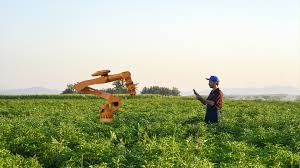
Technology is changing farming rapidly. From drones that monitor crops to robots that harvest produce, innovation is constant. The agriculture secretary plays a role in encouraging the adoption of new technologies.
This can help farmers increase efficiency and sustainability.
However, not all farmers have equal access to these technologies. The secretary also works to ensure that these advancements benefit all farmers, not just the largest operations. This involves supporting training programs and research that makes new tools more accessible.
The Agriculture Secretary’s Impact On Daily Life
You might not realize it, but the agriculture secretary impacts your life every day. The decisions made by this office affect the price and availability of the food you buy at the grocery store. They also influence the quality and safety of the food you eat.
Think about the food labels you see. The USDA, under the secretary’s guidance, sets standards for organic foods and nutritional information. They also help fund programs that make healthy food more affordable for families.
This role is fundamental to public health and well-being.
Food Prices And Availability
When the agriculture secretary announces new policies or support programs, it can affect food prices. For example, if there are programs to help farmers increase production, it might lead to lower prices for consumers. Conversely, if a natural disaster severely impacts crops, prices could rise.
The secretary also works to ensure a stable food supply. This means addressing issues like food deserts, where people have limited access to healthy food options. Efforts to improve distribution and support local food systems are part of this.
Consumer Choice And Quality
The quality of food you eat is also overseen by the USDA. The secretary’s department sets standards for food safety and inspection. This helps ensure that the food sold in stores is safe to consume.
It also plays a role in defining terms like ‘organic’ or ‘grass-fed’, giving consumers more choices.
Consumer confidence is built on these standards. The agriculture secretary’s commitment to safety and quality reassures people about the food they are purchasing and feeding to their families.
Common Myths Debunked
Myth 1: The Agriculture Secretary Only Cares About Big Farms
This is not true. While large farms are important, the agriculture secretary and the USDA also focus heavily on supporting small and medium-sized farms. There are many programs designed to help these smaller operations succeed, including access to loans, technical assistance, and marketing opportunities.
The goal is to have a diverse and healthy agricultural sector.
Myth 2: The Agriculture Secretary’s Job Is Simple And Easy
The role of the agriculture secretary is incredibly complex. They have to balance the needs of farmers, consumers, environmentalists, and international trade partners. They deal with a wide range of issues, from weather disasters and disease outbreaks to economic policies and global market fluctuations.
It requires extensive knowledge and constant decision-making.
Myth 3: The Agriculture Secretary Only Deals With Crops And Livestock
The scope of the USDA, and therefore the secretary, is much broader. It includes forestry, conservation, rural development, food assistance programs like SNAP, nutrition education, and research into agricultural science. The department’s work touches many aspects of American life beyond just food production.
Myth 4: The Agriculture Secretary Has Full Control Over Food Prices
While the agriculture secretary can influence food prices through policies and support, they do not have direct control over them. Food prices are affected by many factors, including supply and demand, weather conditions, global markets, transportation costs, and consumer spending habits. The secretary’s role is to create a stable and productive agricultural system that helps moderate price fluctuations.
Frequently Asked Questions
Question: What is the main purpose of the agriculture secretary?
Answer: The main purpose of the agriculture secretary is to lead the Department of Agriculture, supporting farmers, ensuring food safety, promoting nutrition, and helping rural communities.
Question: How does the agriculture secretary help farmers?
Answer: The agriculture secretary helps farmers through various programs, including financial aid, technical assistance, crop insurance, and research into better farming practices.
Question: What role does the agriculture secretary play in food safety?
Answer: The agriculture secretary’s department sets and enforces food safety standards, inspects food production facilities, and works to prevent foodborne illnesses.
Question: Does the agriculture secretary influence what foods are grown?
Answer: Yes, the agriculture secretary influences what foods are grown through policies that support certain crops, research funding, and by responding to market demands and consumer needs.
Question: Who does the agriculture secretary report to?
Answer: The agriculture secretary is a member of the President’s Cabinet and reports directly to the President of the United States.
Wrap Up
The agriculture secretary is a vital leader. They guide policies that shape our farms, food, and rural areas. Their work ensures we have safe, healthy food and supports the people who grow it.
Understanding this role helps us see how government supports our everyday lives from the ground up.