
Sometimes learning new things feels a little confusing, right? That’s totally normal, especially when you’re just starting out. You might wonder about the basic agriculture definition.
What does it really mean, and why does it matter so much? Don’t worry, we’ll make it super clear. We’ll break it all down step by step so you can feel confident.
Let’s discover what agriculture is all about together.
Key Takeaways
- You will learn a simple and easy-to-grasp definition of agriculture.
- We will explore the different types of farming and food production.
- You will see how agriculture has changed over time.
- We will look at the important jobs agriculture does for us.
- You’ll understand why agriculture is a big deal for everyone.
What Agriculture Definition Means
At its heart, agriculture is all about growing crops and raising animals. It’s how humans have been getting their food and other important things for thousands of years. Think about fruits, vegetables, grains like wheat and rice, and even meat, milk, and eggs.
All of these come from farming. It’s the practice of cultivating land and keeping animals for food, fiber, and other products we use every day.
This definition might sound simple, but agriculture covers a huge range of activities. It’s not just one thing. It includes everything from a small garden in your backyard to massive farms with thousands of acres.
It also involves the science and technology that help farmers grow more and better food.
The Core Idea of Agriculture
The most basic understanding of agriculture is the cultivation of plants and the breeding of animals. This process is vital for sustaining human life. It provides the food we eat, the clothes we wear (like cotton for shirts), and materials for building and industry.
Without agriculture, our societies as we know them could not exist.
The word “agriculture” comes from two Latin words. “Agri” means field, and “cultura” means the cultivation of. So, literally, it means growing fields.
This ancient practice has evolved dramatically, but its fundamental purpose remains the same: to manage natural resources to produce food and other necessities for people.
Why the Agriculture Definition Matters
Knowing what agriculture means is important because it touches every part of our lives. The food on your table, the materials used to make your furniture, and even the fuel that powers cars can all be linked back to farming. It’s a foundational industry that supports economies and provides livelihoods for millions around the globe.
Understanding agriculture helps us appreciate where our food comes from. It also highlights the challenges farmers face, like weather changes and the need to feed a growing world population. A clear definition helps us discuss these issues and find solutions.
Different Types Of Farming
Agriculture isn’t just one big farm. There are many ways people farm and raise animals. These different methods are suited for different places and needs.
Knowing these types helps us understand the broad scope of what agriculture involves.
From growing tiny herbs to raising huge herds of cattle, each type of farming plays a role. Some are focused on feeding local communities, while others produce goods for export around the world. Each has its own techniques and challenges.
Crop Farming
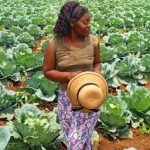
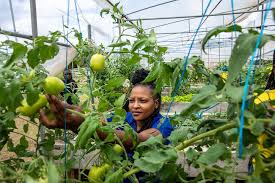
Crop farming is all about growing plants. This can include grains like corn, wheat, and rice, which are staples for many diets. It also includes fruits, vegetables, and even plants grown for industrial uses like cotton for clothes or sugarcane for sugar.
Farmers carefully choose what to plant based on the soil, climate, and market demand. They prepare the land, plant seeds or seedlings, water them, protect them from pests and diseases, and finally harvest them. This is a continuous cycle that happens throughout the year in many places.
Livestock Farming
Livestock farming involves raising animals. This includes animals raised for meat, like cattle, pigs, and chickens. It also includes animals raised for dairy products, such as cows for milk and goats.
Sheep are raised for wool and meat, and other animals like horses are used for work or sport.
Farmers provide food, water, shelter, and care for their animals. They manage breeding, health, and ensure the animals are healthy and productive. This type of farming requires a lot of knowledge about animal behavior and welfare.
Specialty Agriculture
Beyond the main types, there’s specialty agriculture. This includes things like beekeeping for honey and pollination, mushroom cultivation, and growing flowers for sale. It also covers aquaculture, which is farming fish and shellfish in water.
These specialized areas often require unique skills and knowledge. They can be very important for local economies and offer diverse products that might not be covered by larger farming operations.
How Agriculture Has Changed
Agriculture has been around for thousands of years, and it has changed a lot. Early farmers used simple tools and relied heavily on nature. Today, farming is much more advanced, thanks to technology and science.
These changes have made farming more efficient and productive. However, they have also brought new challenges and questions about how we farm.
From Ancient Farming to Modern Methods
In the past, farming was a very labor-intensive process. Farmers used plows pulled by animals and relied on natural rainfall. They saved seeds from one harvest to plant the next.
It was a constant effort to grow enough food to survive.
Over time, innovations like the plow, irrigation systems, and better tools improved farming. The discovery of how to use fertilizer and understand soil health also made a big difference. These steps helped grow more food with less effort.
The Green Revolution and Beyond
The 20th century saw a period called the Green Revolution. This involved developing new, high-yield varieties of crops like wheat and rice. These new plants, along with improved fertilizers, pesticides, and farming techniques, dramatically increased food production worldwide.
This helped prevent widespread famine in many parts of the world.
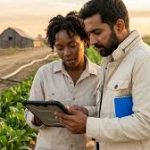
Today, agriculture continues to evolve with new technologies. This includes precision agriculture, using GPS and sensors to manage crops more efficiently. Biotechnology allows for developing crops that are resistant to pests or drought.
Automation with drones and robots is also becoming more common.
Statistics on Agricultural Output
The global output of agriculture is massive. For instance, in 2022, the total value of agricultural production worldwide was estimated to be over 8 trillion U.S. dollars.
This highlights the immense economic importance of farming. The United States alone produced over $500 billion in agricultural goods in recent years, with crops and livestock being major contributors.
The Food and Agriculture Organization of the United Nations (FAO) reports that agriculture employs over a billion people globally, making it one of the largest employment sectors. This shows how central agriculture definition is to global livelihoods.
Why Agriculture Is Important
Agriculture is not just about food; it’s a cornerstone of society. It impacts our health, our environment, and our economies. Understanding its importance helps us value the hard work of farmers and the systems that bring food to our plates.
From providing basic sustenance to supporting global trade, agriculture’s role is far-reaching. It shapes landscapes and communities in profound ways.
Feeding The World
The most obvious importance of agriculture is feeding people. With a growing global population, the need for food is constantly increasing. Farmers work hard to produce enough crops and raise enough animals to meet this demand.
Without effective agriculture, food security would be a major crisis for billions.
This involves not only growing food but also ensuring it can reach people, often through complex supply chains. The efficiency of agriculture directly impacts how well we can nourish everyone on the planet.
Economic Contributions
Agriculture is a huge part of many countries’ economies. It creates jobs, not just on farms but also in related industries like food processing, transportation, and retail. Many rural communities depend almost entirely on farming for their survival and growth.
Exporting agricultural products can bring in significant revenue for nations. For example, countries in South America rely heavily on exports like soybeans and coffee, while countries in Europe and North America export dairy, meat, and grains. This global trade in food and fiber is substantial.
Environmental Impact
Agriculture has a significant impact on the environment. Farming practices can affect soil health, water quality, and biodiversity. Sustainable agriculture aims to minimize negative impacts and even improve the environment.
This includes practices like conserving water, reducing the use of chemicals, and protecting natural habitats. Modern agriculture also plays a role in climate change, both by contributing to greenhouse gas emissions and by offering solutions like carbon sequestration in soils.
Supplying Other Industries
Agriculture provides raw materials for many other industries. Cotton is used to make textiles, wood from farmed trees is used for building and furniture, and crops like corn and soybeans are used to make biofuels and plastics. Even animal by-products have many uses.
This interconnectedness shows how the agriculture definition is a starting point for a vast network of production and consumption. Without these agricultural inputs, many manufacturing sectors would struggle to operate.
Common Myths Debunked
Myth 1: Agriculture is just about small farms and simple tools.
Reality: While small farms and traditional methods still exist and are important, modern agriculture is highly industrialized and technological. It uses advanced machinery, biotechnology, data analytics, and global logistics to produce food on a massive scale. The image of a lone farmer with a hoe is only a small part of the picture.
Myth 2: Organic farming is always better for the environment than conventional farming.
Reality: The environmental impact of farming is complex and depends on many factors. Organic farming avoids synthetic pesticides and fertilizers, which can be beneficial. However, organic farms may sometimes require more land or lead to lower yields, potentially requiring more land to be cleared.
Both types of farming can be done sustainably or unsustainably.
Myth 3: Agriculture is a declining industry because of technology.
Reality: Technology has changed agriculture, making it more efficient, but it has not made it a declining industry. In fact, technology allows agriculture to feed more people with fewer resources and less labor. The demand for food continues to grow, making agriculture a vital and dynamic sector.
Myth 4: All farmers are wealthy landowners.
Reality: The reality of farming is diverse. While some farmers are very successful, many operate on thin margins and face significant financial risks due to weather, market prices, and input costs. Many farmers are smallholders, working hard to make a modest living from their land.
Frequently Asked Questions
Question: What is the simplest way to define agriculture?
Answer: The simplest way to define agriculture is growing plants and raising animals for food and other useful things.
Question: Does agriculture only include growing food?
Answer: No, agriculture includes growing plants and raising animals for food, as well as for materials like cotton for clothes and wood for building.
Question: Is farming the same everywhere in the world?
Answer: No, farming methods vary a lot depending on the climate, the type of land, and the local culture and economy.
Question: Why is understanding the agriculture definition important?
Answer: Understanding agriculture is important because it provides our food, supports economies, and impacts the environment.
Question: Can modern technology help small farms too?
Answer: Yes, modern technology like better irrigation or soil testing can help small farms become more efficient and productive.
Summary
Agriculture definition means cultivating land and raising animals to produce what we need. It covers everything from your breakfast cereal to your cotton shirt. We explored its many types and how it has grown over time.
Agriculture is essential for feeding everyone, supporting economies, and shaping our world. It’s a big deal for all of us.