
Sometimes learning about agriculture companies can feel a bit tricky. There are many different types and what they do can seem complex. But don’t worry, it’s easier than you think!
We’ll break it all down simply so you can get a clear picture. Stick around to see how these companies are shaping the way we grow food today.
Key Takeaways
- Discover what agriculture companies are and their importance.
- Learn about the different categories of agriculture companies.
- Explore how technology is changing agriculture companies.
- Understand the challenges agriculture companies face.
- See examples of leading agriculture companies and their work.
What Are Agriculture Companies
Agriculture companies are businesses that are involved in producing food, fiber, and other products from farming. They play a big role in how our food gets from the farm to our tables. These companies use land, water, and labor to grow crops and raise animals.
They can also be involved in processing, distributing, and selling these products. Many different kinds of businesses fall under this umbrella.
These companies are vital for feeding the world. They help make sure there is enough food for everyone. They also create jobs and contribute to the economy.
Without them, farming would be very different and likely much harder for individual farmers.
Types of Agriculture Companies
There are several main types of agriculture companies, each focusing on a different part of the food production chain. Some companies grow crops, like corn, wheat, or vegetables. Others raise livestock, such as cattle, pigs, or poultry.
There are also companies that supply the tools and materials farmers need, like seeds, fertilizers, and machinery.
Further down the line, you have companies that process the raw farm products. This could mean turning wheat into flour or milk into cheese. Distribution companies then move these products to stores and markets.
Lastly, retailers sell the food directly to consumers. Each of these steps is essential.
Crop Farming Companies
Crop farming companies focus on growing plants for food, feed, or industrial uses. They manage large areas of land and use modern farming techniques. This includes planting, tending, and harvesting crops like grains, fruits, vegetables, and oilseeds.
They often use advanced machinery to make their work more efficient.
These companies face challenges like weather, pests, and market prices. They must also consider sustainability and environmental impact. Their success is key to providing staple foods for populations worldwide.
Many of these companies are quite large and operate globally.
Livestock Farming Companies
Livestock farming companies raise animals for meat, dairy, eggs, or other animal products. This can involve cattle, sheep, pigs, chickens, and other farm animals. These operations require careful management of animal health, feeding, and living conditions.
Ensuring animal welfare is a growing concern and a focus for many of these businesses.
The meat and dairy industries are major parts of livestock farming. These companies supply a significant portion of the protein and calcium in our diets. They also contribute to the economy through product sales and employment.
Balancing production needs with ethical practices is a key consideration for them.
Agribusiness Support Companies
Agribusiness support companies provide essential goods and services to farmers. This includes seed companies that develop and sell high-yield seeds. Fertilizer companies provide nutrients to help crops grow.
Machinery manufacturers produce tractors, harvesters, and other equipment. Other support companies offer pest control solutions and consulting services.
These companies are innovative. They constantly develop new products and technologies to help farmers be more productive and efficient. For example, new seed varieties can resist diseases or require less water.
Advanced farm equipment can reduce fuel consumption and labor needs. They are crucial partners for farmers.
Food Processing and Distribution Companies
Food processing companies take raw agricultural products and turn them into finished goods. This can range from milling grain into flour to packaging fresh produce. Distribution companies then transport these products to grocery stores, restaurants, and other food service providers.
They ensure that food reaches consumers reliably and safely.
These companies are vital for making food convenient and accessible. They manage complex supply chains and logistics. Quality control and food safety are top priorities for them.
Their efficiency directly impacts food availability and cost for consumers. They often work closely with both farmers and retailers.
The Role of Technology in Agriculture Companies
Technology is rapidly changing the way agriculture companies operate. Innovations are making farming smarter, more efficient, and more sustainable. From planting to harvesting, technology is involved in every step.
This is a very exciting time for the agricultural sector.
These advancements help farmers produce more food with fewer resources. They also allow for better management of land and environmental impact. This is crucial as the global population continues to grow and demand for food increases.
Precision Agriculture
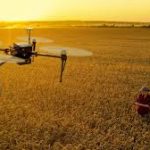
Precision agriculture uses data and technology to manage crops and livestock more precisely. This involves using sensors, GPS, drones, and data analysis to make informed decisions. Farmers can then apply water, fertilizer, and pesticides only where and when they are needed.
This reduces waste and improves crop yields.
For example, a drone can fly over a field and capture images showing areas where crops are stressed. This allows a farmer to address the problem quickly and only in that specific spot. This is much better than treating the whole field uniformly.
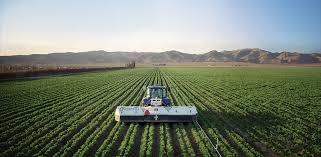
A common scenario involves using GPS-guided tractors. These tractors can plant seeds at exact depths and spacing. They can also apply fertilizer with incredible accuracy.
This ensures that each plant receives the optimal amount of nutrients. Data collected from these operations can be analyzed to further refine farming practices for future seasons.
Biotechnology and Genetics
Biotechnology and genetics play a significant role in developing new crop varieties and improving livestock. This includes creating seeds that are resistant to diseases, pests, or harsh weather conditions. It can also involve enhancing the nutritional content of food.
Genetic advancements help increase farm productivity and reduce the need for chemical inputs.
For instance, scientists can develop corn seeds that naturally repel certain insects. This means farmers don’t need to spray as much insecticide. This is good for the environment and the farmer’s costs.
Similar advancements are made in livestock to improve growth rates or disease resistance.
One statistic shows that genetically modified crops can reduce pesticide use by up to 37% on average. This highlights the positive environmental impact of biotechnology in agriculture. It’s a key area where agriculture companies are investing heavily for the future.
Farm Management Software
Farm management software helps farmers organize and track all aspects of their operations. This software can monitor finances, manage inventory, schedule tasks, and analyze field data. It provides a central hub for making better business decisions.
It can also help with compliance and record-keeping for regulatory purposes.
Using this software, a farmer can see at a glance how much seed they have, when to order more fertilizer, or which fields performed best last year. This level of organization was impossible just a few decades ago.
Consider a farm with hundreds of acres. Without software, tracking expenses and yields for each field would be overwhelming. Farm management software can automate much of this.
It provides reports that show profitability per acre, helping the farmer allocate resources more effectively.
Robotics and Automation
Robotics and automation are increasingly being used in agriculture. This includes automated harvesters, robotic weeders, and self-driving tractors. These technologies can perform repetitive or labor-intensive tasks, freeing up human workers for more complex jobs.
They can also operate with high precision and consistency.
Robots can pick delicate fruits without bruising them, a task that requires great skill. Automated systems can also monitor soil conditions and adjust irrigation in real-time. This ensures plants get exactly the water they need, reducing water usage significantly.
Challenges Faced by Agriculture Companies
Despite advancements, agriculture companies face many hurdles. These challenges can affect production, profitability, and sustainability. Addressing these issues is critical for the future of farming and food security.
The industry is influenced by many factors, some of which are beyond a company’s direct control. This makes planning and consistent success a constant effort.
Climate Change and Environmental Concerns
Climate change presents a major challenge. Extreme weather events like droughts, floods, and heatwaves can devastate crops and livestock. Changing weather patterns also make it harder to predict planting seasons and yields.
Companies must adapt to these unpredictable conditions.
Environmental concerns also require attention. This includes managing water resources sustainably, reducing soil erosion, and minimizing pollution from fertilizers and pesticides. Many consumers and regulators are pushing for more environmentally friendly farming practices.
Agriculture companies are investing in solutions that reduce their ecological footprint.
A report noted that agricultural water use accounts for about 70% of global freshwater withdrawals. This highlights the pressure on water resources and the need for efficient irrigation techniques. Companies are exploring drought-resistant crops and water-saving technologies to combat this.
They are also looking at ways to improve soil health to retain more moisture.
Market Volatility and Economic Factors
Agriculture companies are subject to market volatility. Prices for commodities like corn, wheat, and soybeans can fluctuate significantly due to supply and demand, global events, or trade policies. This makes financial planning difficult and can impact profitability.
Economic factors like rising input costs for fuel, fertilizer, and labor also add pressure. Farmers and companies need to manage these costs effectively to remain competitive. Access to capital for investment in new technologies or expansion can also be a barrier.
For example, a sudden surge in global demand for a certain crop can temporarily drive up prices. However, if many farmers respond by planting more of that crop, the increased supply in the following season can lead to a price crash. Managing these cycles requires careful market analysis and risk management strategies.
Labor Shortages
Finding and retaining skilled labor is a persistent challenge for many agriculture companies. Farming often involves demanding physical work, and the agricultural workforce is aging. There is a growing need for workers with technical skills to operate advanced machinery and software.
This shortage can impact a company’s ability to plant, maintain, and harvest crops on time. It can also lead to increased labor costs. Some companies are turning to automation and robotics to help fill these gaps, as mentioned earlier.
In some regions, a significant portion of farm labor has historically come from migrant workers. Changes in immigration policies or worker availability can create immediate staffing crises for farms. This makes securing a stable workforce a critical strategic goal for agriculture businesses.
Regulatory and Policy Changes
Agriculture companies must comply with a complex web of regulations. These can cover environmental protection, food safety, labor practices, and land use. Changes in government policies or new regulations can significantly impact how companies operate and their costs.
Staying informed about and adapting to these changes requires resources and expertise. Lobbying efforts and engagement with policymakers are common activities for industry groups. The goal is to shape policies that support agricultural productivity while also protecting public interest.
Leading Agriculture Companies and Their Impact
Several prominent agriculture companies are driving innovation and shaping the future of farming. These companies often operate on a global scale and invest heavily in research and development.
Their work impacts food production, agricultural technology, and sustainability efforts worldwide. Examining their contributions provides insight into the direction of the industry.
Monsanto (now Bayer Crop Science Division)
Monsanto, now part of Bayer, has been a major player in agricultural biotechnology and seeds. They developed genetically modified seeds that are resistant to herbicides, making weed control easier for farmers. They also created seeds that produce their own insecticides.
Their innovations have led to increased crop yields and reduced pesticide use in some instances. However, their work has also faced criticism regarding environmental impact and farmer dependency on their products. Their influence on modern agriculture is undeniable.
John Deere
John Deere is a leading manufacturer of agricultural machinery and equipment. They produce tractors, harvesters, planters, and other tools essential for farming. In recent years, John Deere has heavily invested in precision agriculture technology.
Their smart farming solutions integrate GPS, sensors, and data analytics into their equipment. This allows farmers to optimize field operations, reduce waste, and improve efficiency. Their technology is at the forefront of automating farm tasks and collecting valuable data.
Syngenta
Syngenta is a global company focused on crop protection products and seeds. They develop pesticides, herbicides, and fungicides to protect crops from damage. They also offer a wide range of seeds for various crops, often with enhanced traits for yield or resilience.
Syngenta’s research aims to provide farmers with solutions to grow more food sustainably. They are involved in developing crops that can better withstand climate change impacts and require fewer resources.
Cargill
Cargill is one of the largest privately held corporations in the world, with significant operations in agriculture. They are involved in food processing, trading, and agricultural services. Cargill connects farmers with markets and provides essential inputs and financing.
Their vast supply chain management helps move agricultural products efficiently from farms to consumers globally. They also focus on sustainability initiatives within their operations and supply chains, aiming to reduce environmental impact.
Archer Daniels Midland (ADM)
ADM is another major player in agricultural origination and processing. They take agricultural products like corn, soybeans, and wheat and transform them into food ingredients, animal feed, and industrial products. They operate a large network of processing plants and transportation systems.
ADM’s work is crucial in converting raw farm commodities into usable products for a wide range of industries. They also have a strong focus on innovation in food science and nutrition. Their global reach ensures products reach markets efficiently.
Common Myths Debunked
Myth 1: Agriculture companies only focus on big farms
Many people believe that agriculture companies only work with very large farms. This is not entirely true. While large-scale operations are significant customers, many companies also offer products and services that benefit smaller farms.
Seed and equipment manufacturers often have product lines suitable for various farm sizes. Support companies also provide resources and advice that can help any farmer improve their practices.
Myth 2: All GMOs are bad for health
The idea that all genetically modified organisms (GMOs) are harmful is a common misconception. GMOs are developed to have specific beneficial traits, such as resistance to pests or improved nutritional value. Regulatory agencies worldwide evaluate GMOs for safety before they are approved for use.
Many scientific organizations have concluded that currently available GMO foods are safe to eat. The focus is on rigorous testing and safety assessments.
Myth 3: Technology in farming removes all human jobs
While technology like automation and robotics changes the nature of farm work, it doesn’t eliminate all jobs. Instead, it often shifts the demand to different skills. For example, instead of manual labor, there is a growing need for technicians who can operate, maintain, and repair these advanced machines.
Data analysts and farm managers who can interpret complex information are also in demand. Technology often augments human capabilities rather than replacing them entirely.
Myth 4: Agriculture companies are solely profit-driven with no environmental concern
This is a broad generalization. While profit is a primary driver for any business, many agriculture companies are increasingly investing in and promoting sustainable practices. This is due to consumer demand, regulatory pressures, and a recognition of the long-term importance of environmental stewardship.
Companies are developing products and methods that reduce water usage, minimize chemical inputs, and improve soil health to ensure the land’s productivity for future generations.
Frequently Asked Questions
Question: What is the main goal of agriculture companies?
Answer: The main goal of agriculture companies is to produce food, fiber, and other agricultural products efficiently and profitably, while increasingly focusing on sustainability and meeting global demand.
Question: How do agriculture companies contribute to the economy?
Answer: They contribute by creating jobs, supplying raw materials for other industries, driving innovation through technology, and ensuring food security which is vital for societal stability.
Question: Are agriculture companies involved in lobbying?
Answer: Yes, many agriculture companies and industry groups engage in lobbying to influence government policies and regulations that affect their operations and the agricultural sector.
Question: What is an example of a sustainable practice used by agriculture companies?
Answer: An example is precision agriculture, which uses technology to apply water and fertilizers only where and when needed, reducing waste and environmental impact.
Question: How does technology help agriculture companies manage risks?
Answer: Technology helps manage risks by providing better data for decision-making, allowing for early detection of problems like pests or disease, and enabling more efficient resource management to mitigate the effects of unpredictable weather.
Wrap Up
Agriculture companies are essential for feeding us. They use technology to grow more food better. From seeds to tractors, these businesses are always working to improve how we farm.
They face challenges like weather but keep innovating. You can see how important they are for our world.